Spacious Chicken Run With Shade Cover
Highlighted under: Traditional World Food Ideas
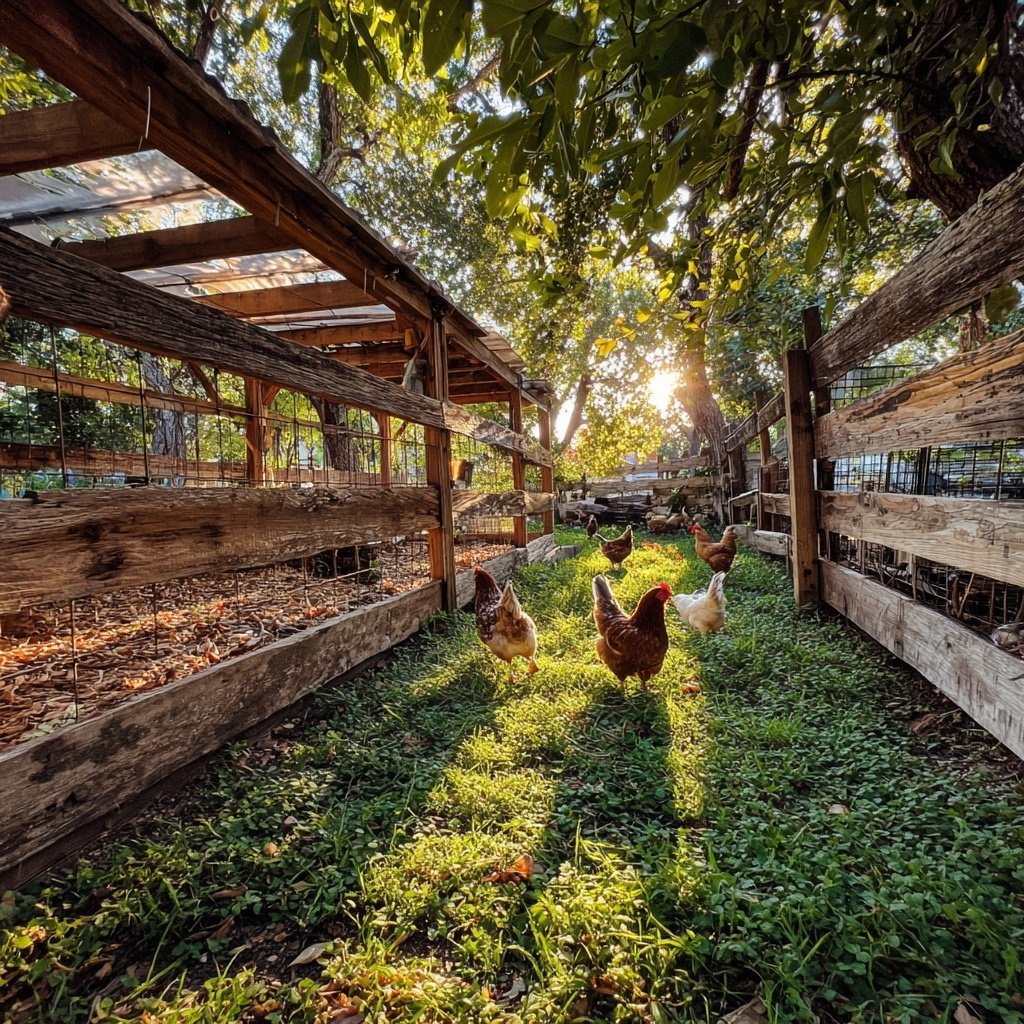
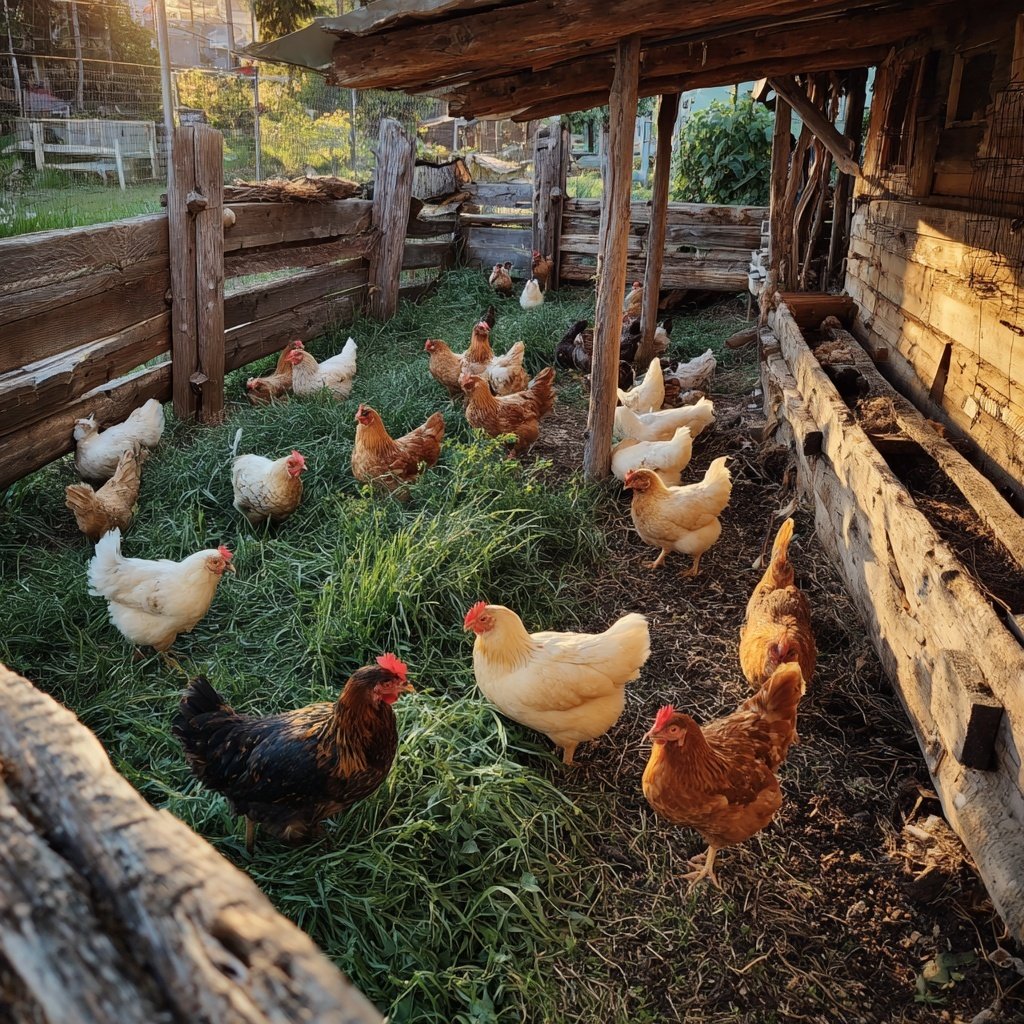
I recently embarked on creating a spacious chicken run with a shade cover, and I couldn't be happier with the result. This project allowed me to design a safe, comfortable space for my chickens while ensuring they have protection from harsh weather. I focused on using durable materials and thoughtful design, which I've found not only keeps my chickens happy but also makes maintenance a breeze. If you're planning to build a run, this guide will help you provide the ideal environment for your feathered friends.
As I began building my chicken run, I wanted it to be both spacious and shaded. After researching the best materials, I decided on a combination of hardware cloth for safety and a sturdy tarp for shade. The result was a structure that protects my chickens from predators while allowing plenty of sunlight to penetrate.
One of the key tips I discovered was to ensure proper drainage around the run to prevent moisture buildup. This not only keeps the area dry but also contributes to the overall health of the chickens. It's been a rewarding project!
Why You'll Love This Chicken Run
- Provides ample space for chickens to roam and forage.
- Features protective shade covering for comfort during the heat.
- Durable materials ensure long-lasting use and safety.
Choosing the Right Location
Selecting the ideal location for your chicken run is crucial for both your chickens' health and your convenience. Aim for a spot that receives partial sun and some shade throughout the day, as this will help maintain a comfortable temperature. Keep it away from low-lying areas that could collect water, ensuring proper drainage to prevent mud and moisture buildup, which could lead to health issues for your chickens.
Consider the proximity to your home for ease of daily chores, like feeding and cleaning. A location with a clear view will also help you keep an eye on your chickens and observe their behavior. Ensuring the site is free from predators and easily accessible for maintenance will lead to a more successful chicken-keeping experience.
Building Tips for Durability
When constructing the frame of your chicken run, it's essential to choose treated wood or rot-resistant materials. This investment will prolong the life of your run and provide solid protection against the elements. Be sure to use screws instead of nails; screws create a tighter grip and reduce the chances of loose connections over time. I recommend pre-drilling holes for screws to make assembly easier and more efficient.
As you attach the hardware cloth, make sure there are no gaps larger than one inch to prevent predator access. A simple way to test this is to place a fist against the mesh; your hand should not fit through. Ensure that the edges are secured tightly; use either a staple gun or small screws for added security and peace of mind.
Materials Needed
Materials
- Hardware cloth (12 ft x 20 ft)
- Wooden posts (4 pieces, 8 feet each)
- Tarp (10 ft x 20 ft)
- Screws and nails
- Hinges (for the door)
- Concrete mix (for securing posts)
- Wire cutters
- Drill
- Saw
Building Steps
Prepare the Site
Choose a level area in your yard away from trees and shrubs. Clear any debris and measure the desired size for your chicken run.
Install the Posts
Dig holes for the wooden posts at each corner of the run. Mix the concrete and secure the posts in place, ensuring they are straight.
Attach the Hardware Cloth
Cut the hardware cloth to size and attach it to the wooden posts using screws or nails. Make sure to secure it tightly to prevent any gaps.
Create the Shade Cover
Drill holes in the wooden posts to install the tarp. This will provide protection from direct sunlight while still allowing airflow.
Make a Door
Cut a section of hardware cloth for a door. Attach hinges and secure it to one side of the chicken run for easy access.
Finalize the Setup
Check for any sharp edges or gaps that could harm your chickens. Once everything is secure, move your chickens into their new home!
Pro Tips
- Ensure that the run is located in an area with good drainage to maintain cleanliness and hygiene for your chickens. Regularly check the structure for any wear and tear.
Maintenance and Cleaning
Regular maintenance of your chicken run is essential not only for your chickens' well-being but also for prolonging the life of the structure. Aim to clean the run at least once a week, removing waste, uneaten food, and any leftover bedding. Replace bedding materials when they become soiled, as this will help prevent odors and maintain a healthier environment for your chickens.
In addition to routine cleaning, periodically inspect both the shade cover and hardware cloth for any wear or damage. Look for rust on metal components and replace them as needed to maintain structural integrity. I recommend checking the run after adverse weather conditions to ensure everything is still secure and intact.
Enhancing Comfort and Enrichment
To keep your chickens happy and engaged, consider adding enrichments such as perches, dust baths, and foraging areas. Perches give your chickens a place to rest and help them develop their natural behaviors. You can create a simple perch setup using wooden dowels or branches secured between posts.
Dust baths are essential for chickens to maintain their feathers and health. A designated area filled with sand or diatomaceous earth will suffice. Encourage foraging by scattering treats like grains or vegetable scraps throughout the run; this not only provides nutritional benefits but also satisfies their natural instincts to search for food.
Questions About Recipes
→ How much space do chickens need in a run?
Typically, chickens need a minimum of 10 square feet per bird in a run to be comfortable.
→ What materials are best for a chicken run?
Using hardware cloth is recommended for safety against predators, while wood provides strength and durability.
→ Can I use a tarp permanently for shade?
Yes, but it's essential to check it regularly for wear and replace it if it becomes damaged.
→ How do I keep the chicken run clean?
Regularly remove droppings and debris, and consider building a slatted floor for easier cleaning.
Spacious Chicken Run With Shade Cover
Created by: Emma Parker
Recipe Type: Traditional World Food Ideas
Skill Level: Intermediate
Final Quantity: 1
What You'll Need
Materials
- Hardware cloth (12 ft x 20 ft)
- Wooden posts (4 pieces, 8 feet each)
- Tarp (10 ft x 20 ft)
- Screws and nails
- Hinges (for the door)
- Concrete mix (for securing posts)
- Wire cutters
- Drill
- Saw
How-To Steps
Choose a level area in your yard away from trees and shrubs. Clear any debris and measure the desired size for your chicken run.
Dig holes for the wooden posts at each corner of the run. Mix the concrete and secure the posts in place, ensuring they are straight.
Cut the hardware cloth to size and attach it to the wooden posts using screws or nails. Make sure to secure it tightly to prevent any gaps.
Drill holes in the wooden posts to install the tarp. This will provide protection from direct sunlight while still allowing airflow.
Cut a section of hardware cloth for a door. Attach hinges and secure it to one side of the chicken run for easy access.
Check for any sharp edges or gaps that could harm your chickens. Once everything is secure, move your chickens into their new home!
Extra Tips
- Ensure that the run is located in an area with good drainage to maintain cleanliness and hygiene for your chickens. Regularly check the structure for any wear and tear.