DIY Backyard Chicken Coop Run
Highlighted under: Traditional World Food Ideas
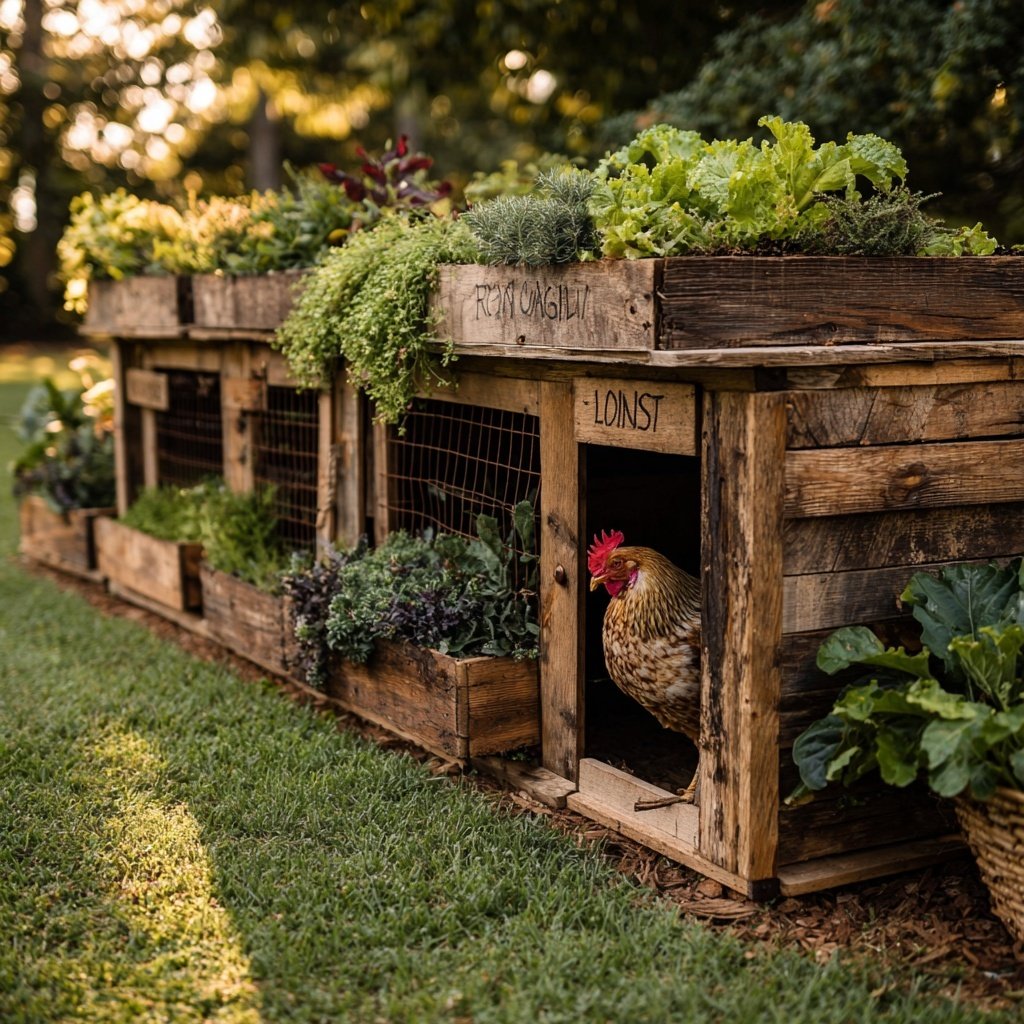
I’ve always dreamed of having fresh eggs right from my backyard, and building a DIY chicken coop run was the first step towards that dream. It’s not just a functional project; it’s also a fantastic way to connect with my backyard and create a safe space for my chickens to roam. Through this journey, I learned the importance of choosing the right materials and ensuring the setup is predator-proof. I’m excited to share how you can create your own cozy chicken haven in just a few simple steps!
When I started planning my chicken coop run, I didn’t realize how many factors I needed to consider. The space had to be both secure from predators and spacious enough for my chickens to explore. I chose to use wooden beams and galvanized wire, ensuring durability, while leaving plenty of room for my hens to stretch their wings. It turned out to be more rewarding than I ever imagined!
Building this run not only provided a safe space for my chickens but also became a fun weekend project. I incorporated some fun perches and a dust bath area, which my hens absolutely adore. A tip for anyone building their own coop is to consider the layout carefully—think about where the sun will shine and where the shade will be throughout the day for your chickens' comfort.
Why You'll Love This Chicken Coop Run
- Creates a safe haven for your chickens to roam and play
- Enhances the aesthetic of your backyard with a charming structure
- Easy customization to fit your space and style
Choosing the Right Materials
Selecting high-quality materials is crucial for the longevity and safety of your chicken coop run. For the wooden structure, opt for pressure-treated lumber to resist rot and decay. Galvanized wire mesh is the best choice to keep predators at bay while allowing your chickens to enjoy the outdoors. If you have a larger budget, consider using welded wire for added durability. Regular checks and upkeep of these materials will ensure a safe environment for your chickens over the years.
Moreover, while paint or sealant is optional, I recommend applying a non-toxic sealant to the exterior wood. This not only enhances the lifespan of the wood but also adds an aesthetic touch to your coop run. Ensure the sealant is safe for animals and won't harm your chickens. Regular applications can help maintain the look and feel of the run, making it both functional and visually appealing.
Building Tips for a Strong Structure
When constructing the frame, always measure twice and cut once to minimize waste and ensure precise fitting. A sturdy base is essential, so use 4x4 beams for the corners and 2x4 beams for the sides. I found that using wood screws instead of nails provides a stronger hold, particularly in areas prone to stress or movement. If you're unsure about your construction skills, consider using angles or brackets for added support.
Securing the wire mesh is another vital step. Ensure that the mesh is pulled taut and fastened tightly to avoid any gaps where predators could enter. Use plenty of screws to attach the mesh to the wooden frame; this not only secures the structure but also minimizes any rusting issues over time. Regularly inspect the mesh for wear and tear to maintain the security of your chickens.
Making Your Coop Run Comfortable
In addition to safety, don't forget comfort for your chickens. Adding a few natural elements, like logs or small perches, can give them places to explore and relax. Chickens love to scratch and dust bathe, so incorporating a dirt area within the run can help replicate their natural environment. Just make sure that this area is well-drained to avoid muddy conditions.
Finally, consider adding a small water station and feeders that are protected from the elements. A low-maintenance option is a gravity-fed waterer, which reduces the need for daily refills. This setup not only keeps your chickens hydrated but also makes your backyard routine easier. Remember to clean the waterer regularly to prevent contamination, ensuring your chickens stay healthy.
Ingredients
To build your chicken coop run, gather the following materials:
Materials
- Wooden beams (4x4 and 2x4)
- Galvanized wire mesh
- Wood screws
- Hinges and latches
- Plywood for the roof
- Stakes or rebar for securing the structure
- Paint or sealant (optional)
Make sure to have all materials ready before starting the assembly.
Instructions
Follow these steps to construct your backyard chicken coop run:
Plan the Design
Start by sketching out your design, determining the size and shape of the run based on your yard and the number of chickens.
Gather Materials
Collect all necessary materials, ensuring you have enough wood and wire mesh to complete the structure.
Build the Frame
Construct the wooden frame of the coop using the 4x4 beams as the base and 2x4 beams for the sides. Make sure it's sturdy!
Attach the Wire Mesh
Cover the frame with the galvanized wire mesh, securing it tightly to prevent any predators from getting in.
Add a Roof
Install plywood as a roof to protect your chickens from rain and provide shade on sunny days.
Install a Door
Cut out a section for the door and attach it using hinges. Ensure it closes securely.
Secure the Run
Use stakes or rebar to stabilize the structure and prevent it from being pushed over or dug under.
After assembling, take time to introduce your chickens to their new environment!
Pro Tips
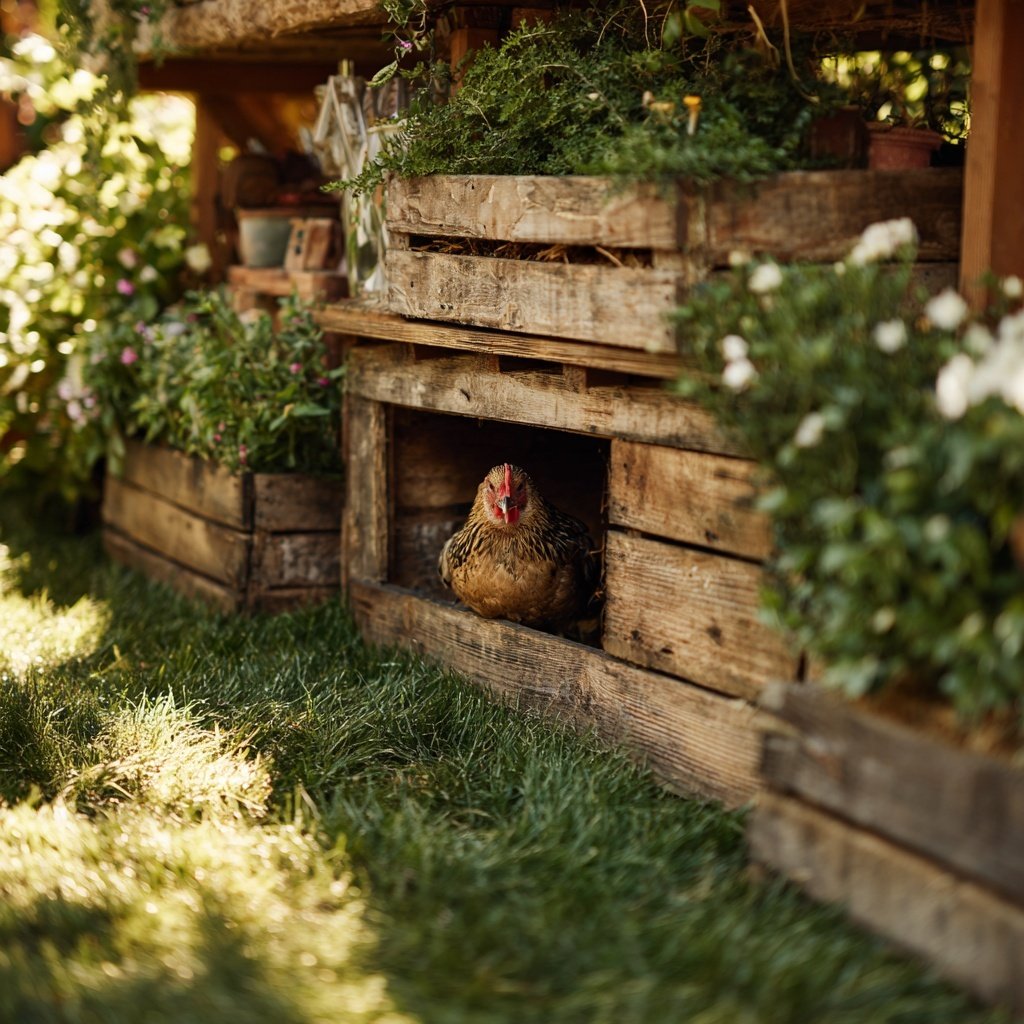
- Consider adding a small perch inside the run for your chickens to enjoy some elevated space. Also, make sure to regularly check for any wear or damage to ensure the safety of your flock.
Common Challenges and Solutions
One common issue many face while building a chicken coop run is uneven ground. Before starting, ensure that the area where you plan to build is level. If not, consider digging into the higher areas or adding soil to the lower spots to create a more stable base. This can prevent the coop from leaning and make it easier to secure the structure.
Another challenge might be in securing the door of the coop. If it swings open unexpectedly, adding a latch that can be operated with one hand will provide ease of access while ensuring it stays closed when needed. It's also wise to use a lock or a more secure latch system to keep it safe from predators during the night.
Customization Ideas
Customization can make your chicken coop run unique and functional. Think about incorporating a small roof overhang to protect feeding stations from rain. This way, your chickens will always have access to food, even in poor weather. You can also paint the coop in colors that complement your house or landscape, adding to the overall aesthetic of your backyard.
If space allows, consider expanding your run with a separate, movable 'chicken tractor' that allows your chickens to access fresh grass and bugs. This not only enriches their diet but also benefits your yard by naturally fertilizing it. By rotating the tractor, you can keep your chickens safe while promoting a healthier lawn.
Questions About Recipes
→ How big should a chicken run be?
A good rule of thumb is 10 square feet per chicken to ensure they have enough space to roam and exercise.
→ What predators should I be wary of?
Common predators include raccoons, foxes, and hawks, so it's important to secure your coop run effectively.
→ Can I build a run with recycled materials?
Absolutely! As long as the materials are safe and sturdy, recycled items can work great for building a chicken run.
→ How often should I clean the chicken run?
It's best to clean the run every week to maintain hygiene and keep your chickens healthy.
DIY Backyard Chicken Coop Run
Created by: Emma Parker
Recipe Type: Traditional World Food Ideas
Skill Level: Intermediate
Final Quantity: 1 run
What You'll Need
Materials
- Wooden beams (4x4 and 2x4)
- Galvanized wire mesh
- Wood screws
- Hinges and latches
- Plywood for the roof
- Stakes or rebar for securing the structure
- Paint or sealant (optional)
How-To Steps
Start by sketching out your design, determining the size and shape of the run based on your yard and the number of chickens.
Collect all necessary materials, ensuring you have enough wood and wire mesh to complete the structure.
Construct the wooden frame of the coop using the 4x4 beams as the base and 2x4 beams for the sides. Make sure it's sturdy!
Cover the frame with the galvanized wire mesh, securing it tightly to prevent any predators from getting in.
Install plywood as a roof to protect your chickens from rain and provide shade on sunny days.
Cut out a section for the door and attach it using hinges. Ensure it closes securely.
Use stakes or rebar to stabilize the structure and prevent it from being pushed over or dug under.
Extra Tips
- Consider adding a small perch inside the run for your chickens to enjoy some elevated space. Also, make sure to regularly check for any wear or damage to ensure the safety of your flock.
Nutritional Breakdown (Per Serving)
- Calories: 0 kcal
- Total Fat: 0g
- Saturated Fat: 0g
- Cholesterol: 0mg
- Sodium: 0mg
- Total Carbohydrates: 0g
- Dietary Fiber: 0g
- Sugars: 0g
- Protein: 0g