No Knead Dutch Oven Bread
Highlighted under: Sweet Baking Ideas
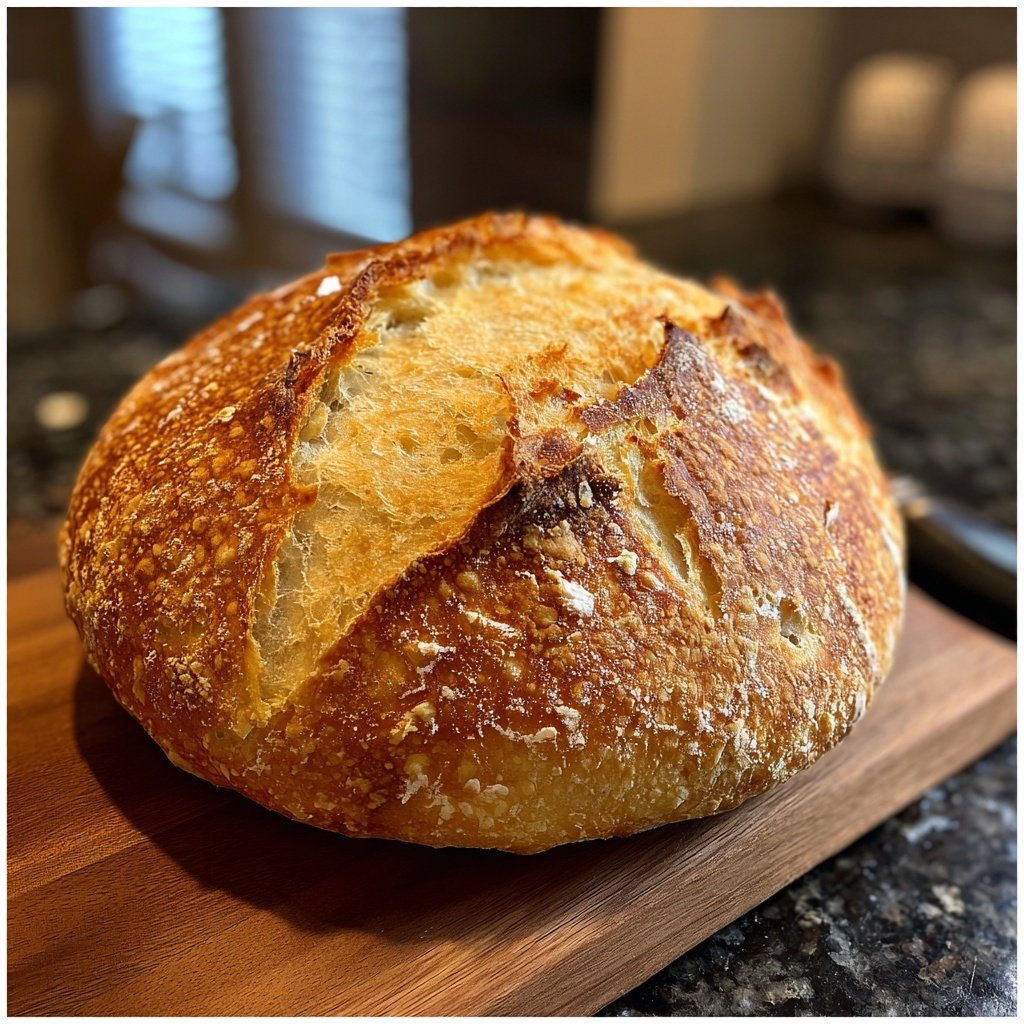
I can't express how easy and rewarding it is to bake your own bread using the no-knead method. The result is a beautifully crusty loaf with a soft, airy interior. I love that it requires minimal effort and just a bit of patience, allowing me to enjoy the wonderful aroma filling my kitchen while it bakes. With only a few basic ingredients and a Dutch oven, I can whip up a loaf that impresses my family and friends every time. Trust me, once you try it, you won't look back!
When I first attempted no-knead bread, I was amazed at how such a simple process could yield such extraordinary results. I let the dough sit overnight, and by morning, it had transformed into a bubbly mix, full of promise. The key here is patience—allowing the dough to rest and develop flavor while requiring no strenuous mixing or kneading at all.
Another insight I found useful was preheating the Dutch oven thoroughly before placing the dough inside. This step creates a steam environment that enhances the crusty texture we all seek in a good loaf. The thrill of lifting the lid to reveal that glorious bread is unparalleled!
Why You'll Love This Recipe
- Crusty exterior with a moist, airy crumb
- Minimal hands-on time for maximum flavor
- Great for beginners and experienced bakers alike
Understanding the Ingredients
The beauty of no-knead bread lies in its simplicity, relying on just four key ingredients: flour, water, salt, and yeast. All-purpose flour provides the necessary structure, while the hydration from warm water helps create that coveted airy crumb. The salt not only enhances flavor but also controls yeast activity, ensuring a slow fermentation that develops depth in taste. Instant yeast is preferred for its convenience and fast-acting nature, allowing you to skip the lengthy proofing process that traditional methods require.
When selecting your ingredients, consider using a high-quality flour. This can significantly impact the texture of your final loaf. If you're looking for a nuttier flavor, try substituting up to 50% of the all-purpose flour with whole wheat or spelt flour. Just bear in mind that these flours may require slight adjustments in hydration due to their differing absorption rates.
Mastering the Technique
Achieving the perfect crusty exterior of your loaf hinges on the right baking technique. Preheating your Dutch oven is crucial; this mimics the steam oven environment traditionally used for bread baking. The steam trapped inside the pot during the initial baking phase allows the bread to rise fully before the crust sets, giving you that desirable open crumb structure. If your Dutch oven isn’t fully preheated, the bread may not achieve its maximum height or crustiness, so patience is key here.
Shaping the dough can be a bit tricky since you want to avoid overworking it, which can lead to a dense loaf. Instead, gently fold the dough onto itself a few times on a floured surface before letting it rest. This technique helps build some surface tension without compressing the gas that has developed during fermentation. For total beginners, using a bench scraper can help lift and shape the sticky dough without leaving a mess on your countertop.
Storing and Serving Your Bread
After cooling, store your no-knead bread in a paper bag or wrapped in a kitchen towel to preserve its crust. Avoid plastic wrap, as it traps moisture and can make the crust soggy. If you want to keep it longer, tightly wrap it in foil and place it in the freezer, where it can last up to three months. To reheat, simply place it in a preheated oven at 350°F (175°C) for about 10-15 minutes to restore its crispness.
This bread pairs wonderfully with various toppings. I love enjoying a slice with good-quality olive oil and a sprinkle of sea salt. For a heartier option, load it up with your favorite sandwich ingredients or toast it for bruschetta. The crusty loaf also makes a fantastic base for garlic bread or as a side for soups and stews, making it versatile for any meal.
Ingredients
Ingredients for No Knead Bread
- 3 cups all-purpose flour
- 1 1/2 teaspoons salt
- 1/2 teaspoon instant yeast
- 1 1/2 cups warm water
Instructions
Prepare the Dough
In a large bowl, mix together the flour, salt, and instant yeast. Gradually add the warm water, stirring until a shaggy dough forms. The mixture should be sticky and wet. Cover the bowl with plastic wrap and let it sit at room temperature for 12 to 18 hours.
Preheat the Oven
Once the dough has risen and is bubbly, preheat your oven to 450°F (230°C). Place a Dutch oven (with the lid) inside to heat up for about 30 minutes.
Shape the Bread
On a lightly floured surface, turn out the dough and shape it into a ball. Keep it rough, as overworking will toughen the bread. Let it rest for about 30 minutes while the Dutch oven finishes preheating.
Bake the Bread
Carefully remove the hot Dutch oven from the oven. Lift the dough using parchment paper and place it into the pot. Cover with the lid and return it to the oven. Bake for 30 minutes, then remove the lid and bake for an additional 15 minutes, until the bread is golden brown.
Cool and Enjoy
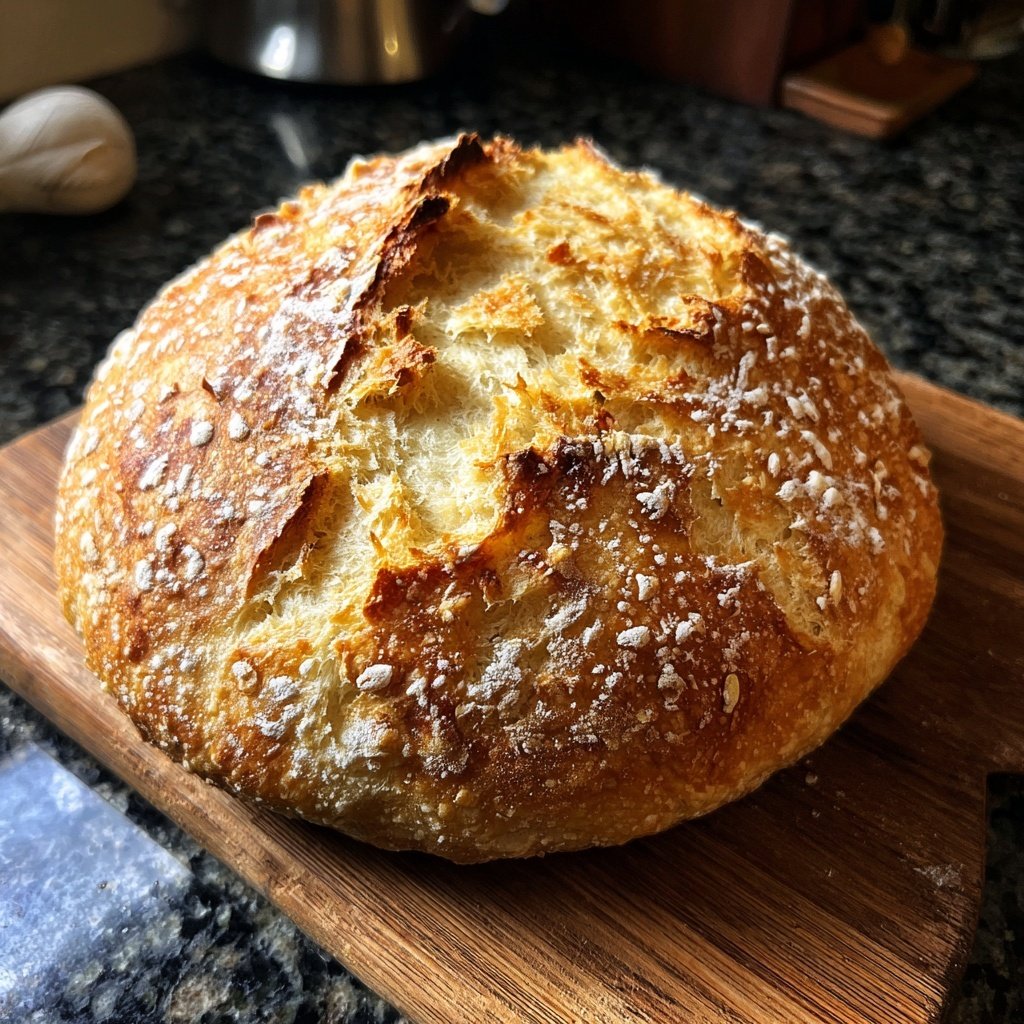
Remove the bread from the Dutch oven and let it cool on a wire rack for at least 30 minutes before slicing. This will help maintain its structure and texture!
Pro Tips
- For extra flavor, experiment with adding herbs or cheese into the dough before the first rise. You can also try using different kinds of flour for a unique twist!
Troubleshooting Common Issues
If your bread turns out denser than expected, it could be a sign that the dough wasn't hydrated enough or didn't ferment long enough. Ensure the measurements are accurate and that you’re adequately mixing the ingredients to achieve that shaggy consistency. If you notice your bread is too dry after baking, consider using slightly warmer water, as this can help activate the yeast and promote better hydration throughout the dough.
Another common issue is the bread sticking to the Dutch oven. To prevent this, make sure to use parchment paper when transferring your dough into the hot pot. This not only helps with easy removal but also provides a bit of extra lift as the dough begins to bake. If you forget parchment, a light dusting of flour or cornmeal can also help ensure an easy release.
Variations to Try
Once you've mastered the basic no-knead bread, consider experimenting with flavors by adding herbs, cheese, or dried fruits during the mixing phase. For a savory touch, incorporate chopped olives or sun-dried tomatoes, which add a delightful burst of flavor. For a touch of sweetness, dried cranberries or raisins can elevate your bread, making it a perfect accompaniment for meals or a base for bruschetta.
You can also adjust your baking time and temperature for different results. For a larger loaf, increase the amount of dough but also adjust the baking time by a few minutes. Keep an eye on the color of the crust; when it reaches a deep golden brown, you'll know it's likely done. Use an instant-read thermometer; the internal temperature should read around 210°F (99°C) for perfect doneness.
Questions About Recipes
→ Can I use whole wheat flour instead of all-purpose?
Yes, you can substitute whole wheat flour. However, you may need to increase the water slightly as whole wheat absorbs more moisture.
→ How do I store leftover bread?
Wrap it in a clean kitchen towel and store it in a bread box or paper bag for short-term. For longer storage, slice and freeze the bread.
→ What if my dough isn’t rising?
Make sure your yeast is fresh and that you're allowing enough time for the dough to rise in a warm environment.
→ Can I add ingredients like cheese or olives to the dough?
Absolutely! Feel free to fold in your favorite mix-ins during the shaping step for a delicious twist.
No Knead Dutch Oven Bread
Created by: Emma Parker
Recipe Type: Sweet Baking Ideas
Skill Level: Beginner
Final Quantity: 1 loaf
What You'll Need
Ingredients for No Knead Bread
- 3 cups all-purpose flour
- 1 1/2 teaspoons salt
- 1/2 teaspoon instant yeast
- 1 1/2 cups warm water
How-To Steps
In a large bowl, mix together the flour, salt, and instant yeast. Gradually add the warm water, stirring until a shaggy dough forms. The mixture should be sticky and wet. Cover the bowl with plastic wrap and let it sit at room temperature for 12 to 18 hours.
Once the dough has risen and is bubbly, preheat your oven to 450°F (230°C). Place a Dutch oven (with the lid) inside to heat up for about 30 minutes.
On a lightly floured surface, turn out the dough and shape it into a ball. Keep it rough, as overworking will toughen the bread. Let it rest for about 30 minutes while the Dutch oven finishes preheating.
Carefully remove the hot Dutch oven from the oven. Lift the dough using parchment paper and place it into the pot. Cover with the lid and return it to the oven. Bake for 30 minutes, then remove the lid and bake for an additional 15 minutes, until the bread is golden brown.
Remove the bread from the Dutch oven and let it cool on a wire rack for at least 30 minutes before slicing. This will help maintain its structure and texture!
Extra Tips
- For extra flavor, experiment with adding herbs or cheese into the dough before the first rise. You can also try using different kinds of flour for a unique twist!
Nutritional Breakdown (Per Serving)
- Calories: 180 kcal
- Total Fat: 1g
- Saturated Fat: 0g
- Cholesterol: 0mg
- Sodium: 400mg
- Total Carbohydrates: 37g
- Dietary Fiber: 1g
- Sugars: 0g
- Protein: 6g